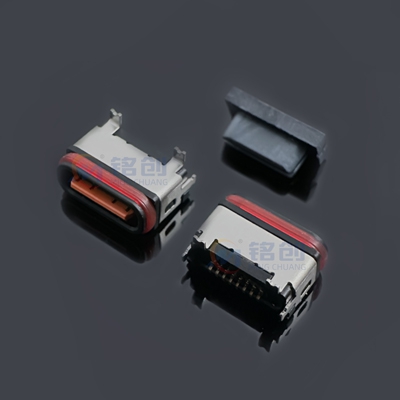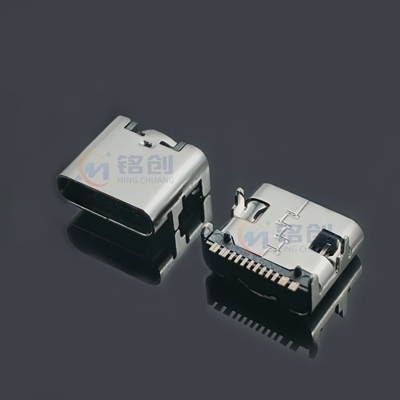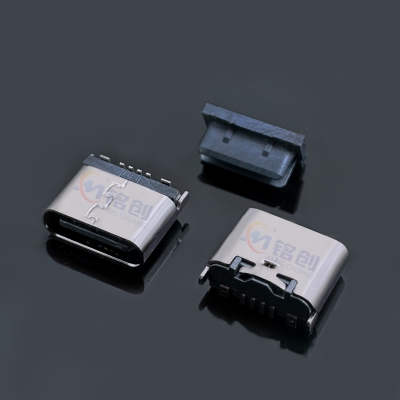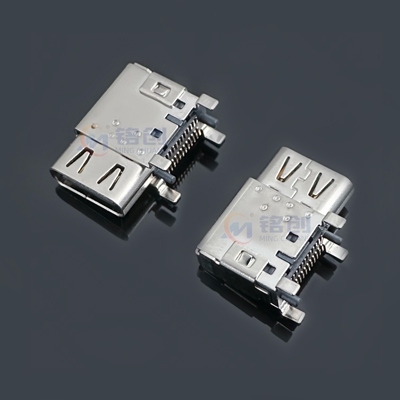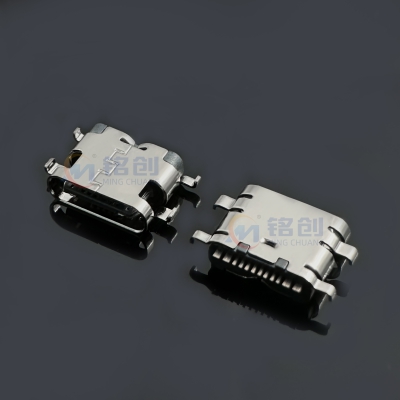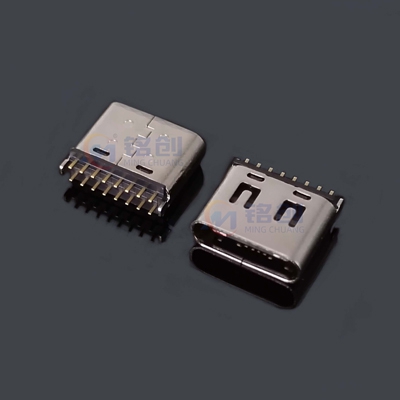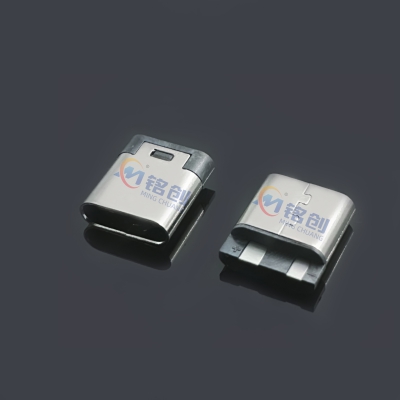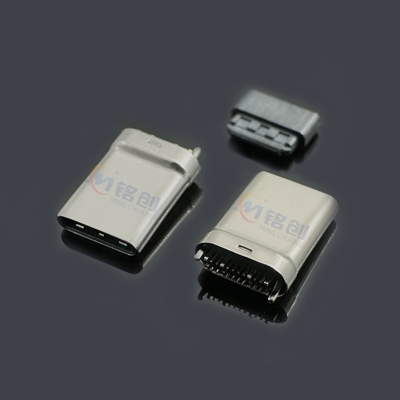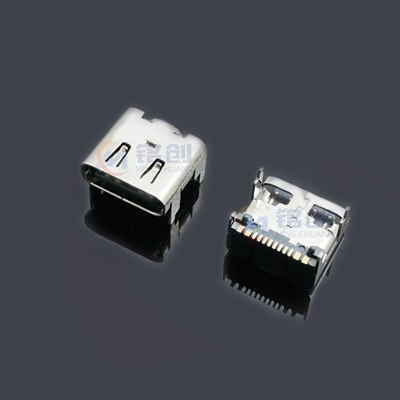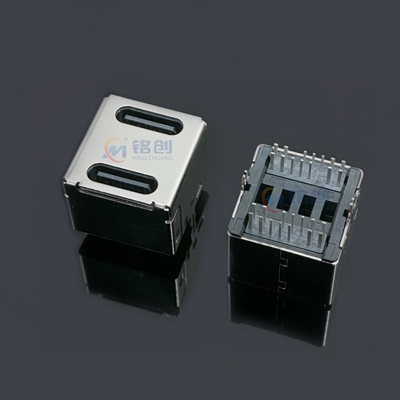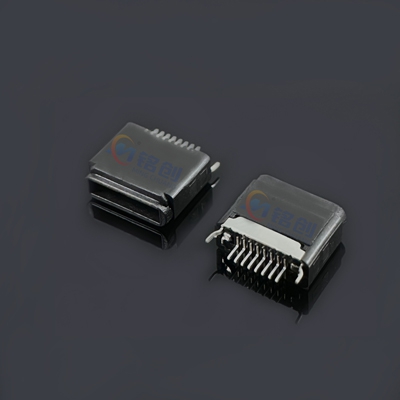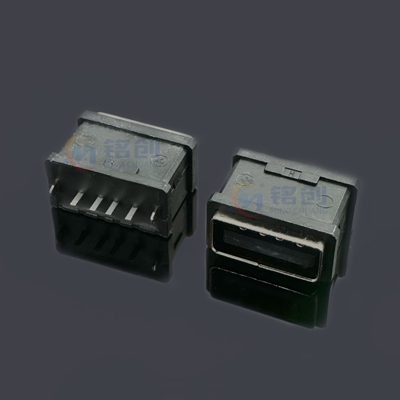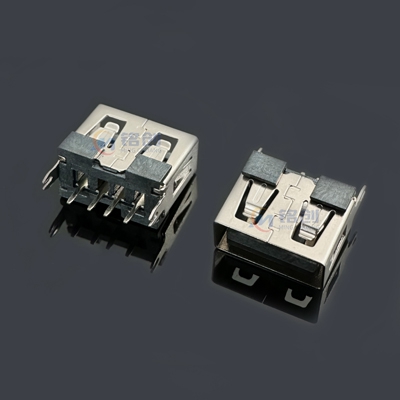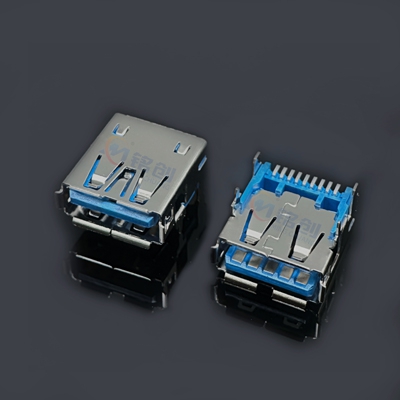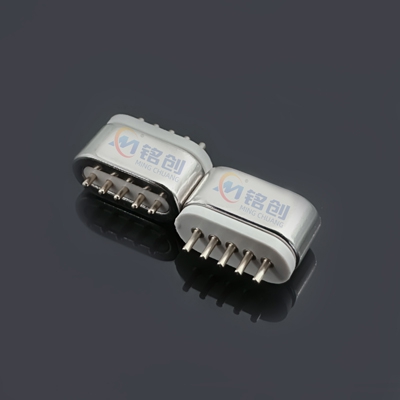
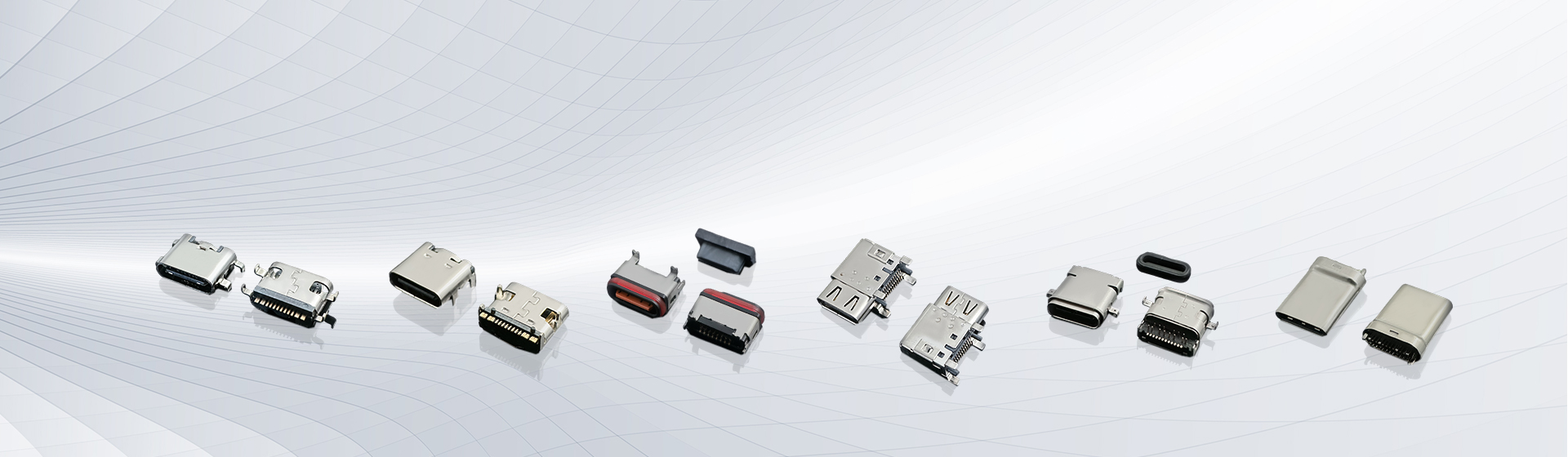
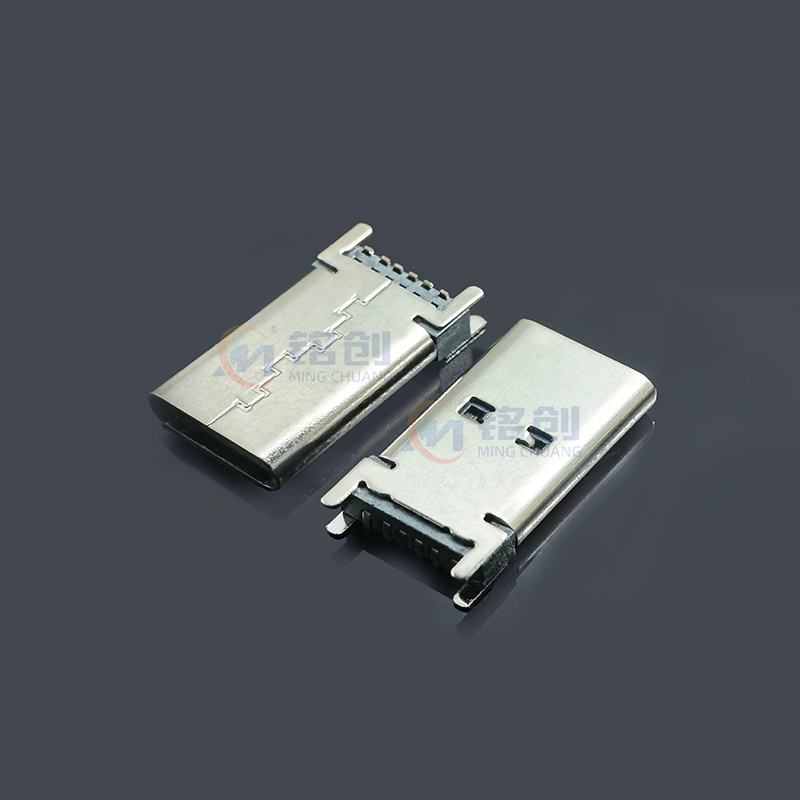
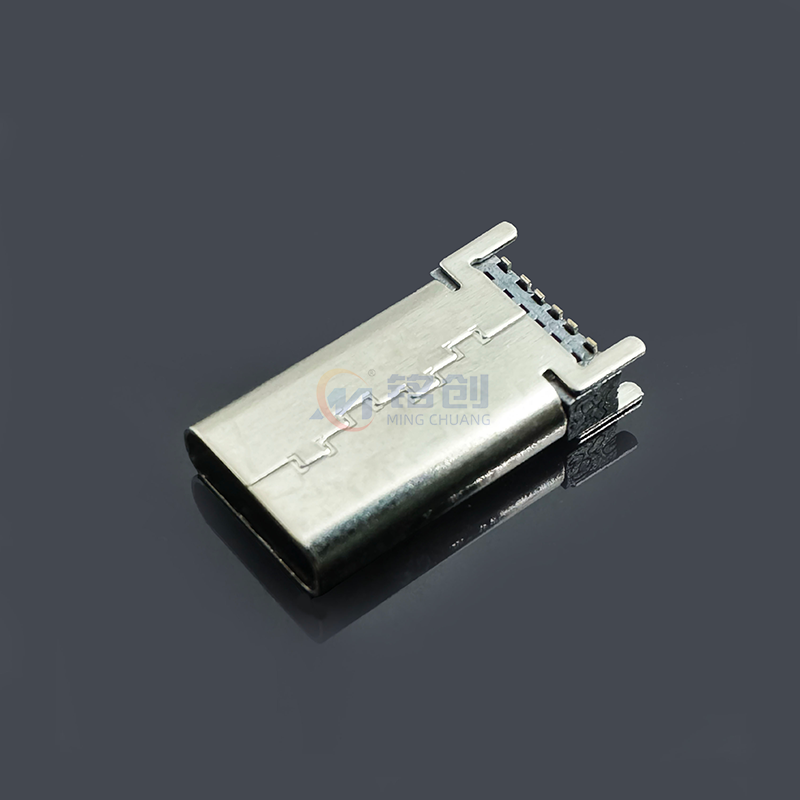
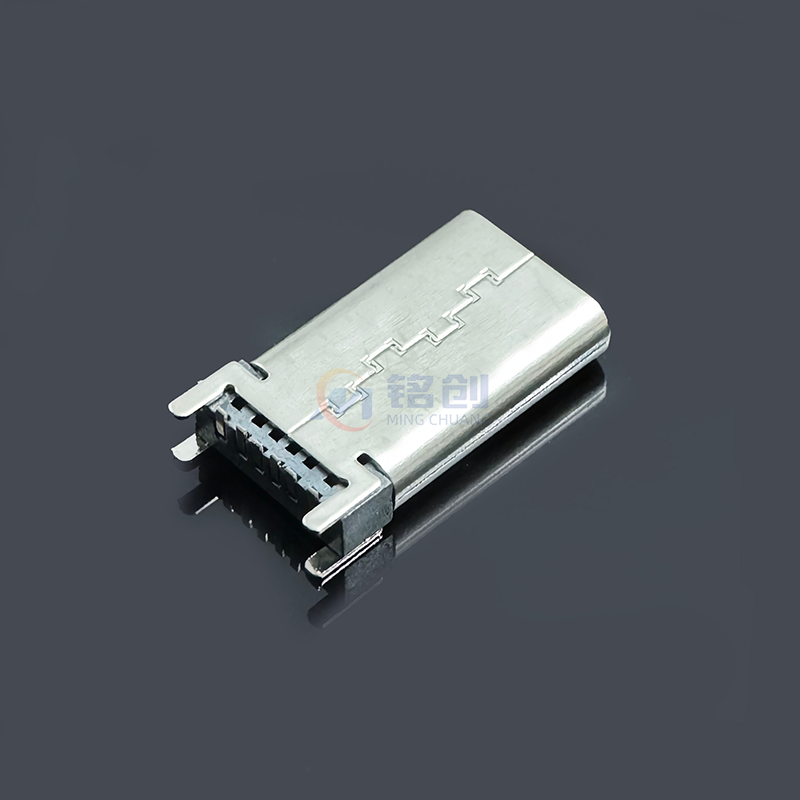


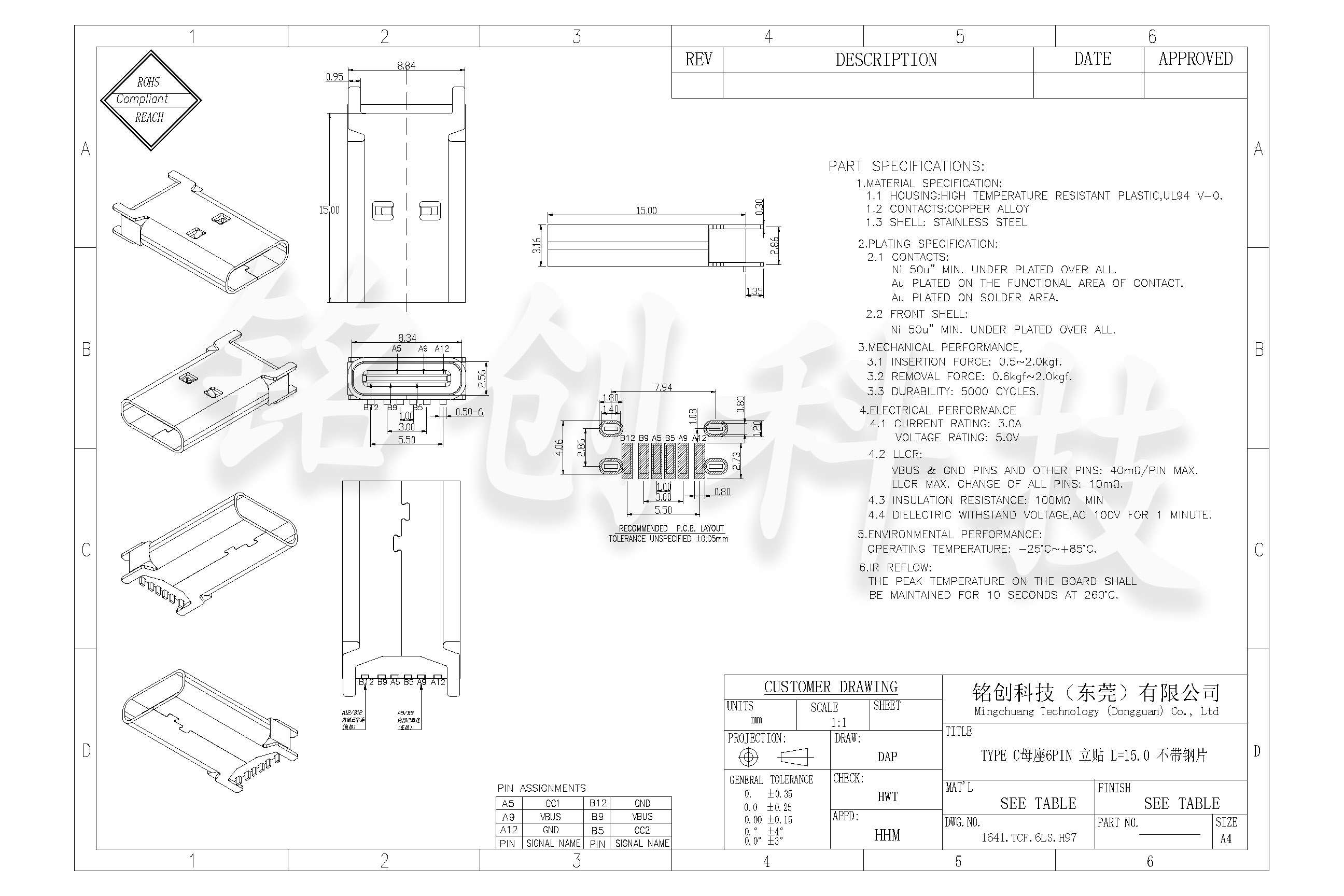
This product is a TYPE C female 6PIN vertical patch connector, optimized for charging scenarios. It adopts a vertical mounting structure (board height 15.0mm), supports forward and reverse insertion operations, and is suitable for high current fast charging protocols (such as QC, PD), but does not include data transmission function. The core design goal is to reduce production costs by simplifying the pin structure (only 6PIN), while improving soldering stability and mechanical strength.
Patent Authorization:
Adopting the patented terminal structure (patent number: ZL201610389114.9), Covering terminal stamping process and pin layout design to avoid
infringement risks.
Environmental certification:
RoHS compliance: LCP core and coating process are lead-free and halogen-free, with heavy metal content in compliance with EU Directive 2011/65/EU.
REACH testing: Plastic materials have passed SVHC high concern substance screening, and the chemical substance list complies with EC 1907/2006 regulation.
Electrical standards:
USB-IF compatibility: The interface size and electrical characteristics comply with the USB Type-C 1.3 specification and have passed the USB-IF TID certification.
Safety testing: Passed IEC 62680-1-3 interface durability testing and UL 60950-1 safety certification.
Installment and use
Welding parameters:
Reflow soldering temperature curve: peak temperature ≤ 260 ℃, duration ≤ 10 seconds, to avoid high-temperature deformation of the adhesive core.
Manual welding suggestion: Use a constant temperature soldering iron (300 ℃~350 ℃) with a welding time of ≤ 3 seconds per pin to prevent the
terminal coating from peeling off.
Environmental requirements:
Waterproof restriction: Non waterproof models are prohibited from being exposed to liquid environments. If IPX7 protection is required, a special
sealant model should be selected.
Mechanical protection: To avoid external pressure squeezing the interface, the design of exposed plastic tongue should reserve buffer space in the
equipment shell.
Maintenance and troubleshooting
Cleaning and maintenance:
Regularly wipe the interface contacts with anhydrous ethanol to remove the oxide layer and dust, ensuring conductivity.
Do not use metal tools to scratch the terminals to avoid damage to the coating and poor contact.
Fault diagnosis:
Poor contact: Measure the resistance of the terminal to ground (normal range 500~700 Ω). If the deviation is greater than 5 Ω, check the welding or
replace the female socket.
Short circuit troubleshooting: Use a multimeter to check the insulation resistance between VBUS and GND. If it is less than 100M Ω, check if the
rubber core is damaged.
Design and compatibility
PCB layout suggestion:
Reserve a pad size of 11mm × 7mm to ensure that the four pin plug-in board is adhered to the board surface without warping after welding.
Avoid placing high-frequency signal lines around the interface to prevent electromagnetic interference (EMI) from affecting fast charging protocol
communication.
Compatibility limitations:
Only supports pure charging function. If data transmission is required, the 16PIN or 24PIN model should be selected.
The insertion and extraction force of the male head should be controlled within the range of 5-20N, as excessive force can cause the plastic tongue
to break.


|
Mob:13310802726 / Tel:0769-85605360 |

|
Email:mc13310802726@163.com |

|
Address: No. 1, Chengxin Road, Changan Town, Dongguan City, Guangdong Province, China |

Copyright © 2024-2026 Mingchuang Technology (Dongguan) Co., Ltd. All rights reserved Web Design—Quanfang Network